
by Staff
Friendship doesn’t come with an expiration date, but the paths to finding it do change over time. By the time you’re 50, you’ve likely cycled through more versions of yourself than you can count—raising kids, changing jobs, watching neighborhoods shift around you. While the desire for connection never really leaves, the opportunities for forming new bonds can start to feel narrower. That’s where technology, once thought of as the sole territory of the young, has quietly become the unexpected ally for anyone looking to expand their social world later in life.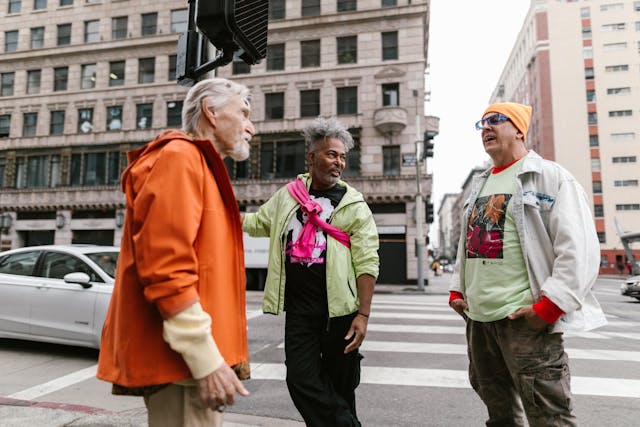
Rediscovering Connections Through Digital Platforms
The internet has a way of keeping fragments of our lives stored away like boxes in an attic, only easier to sort through. Social platforms, alumni networks, and online communities offer a bridge back to people who once mattered and may still. A casual search can reconnect you with someone who sat beside you in high school biology or a former coworker you lost touch with after a move. These aren’t just nostalgia trips—they’re starting points for fresh conversations that can turn into meaningful relationships. For many, reaching out online feels less intimidating than attempting the same leap in person, especially when decades have passed.
Finding Familiar Faces Again
One of the small joys of the internet is stumbling onto forgotten keepsakes, and few things capture that better than finding your old yearbooks online. What used to gather dust in a closet now sits just a few clicks away, complete with faces and names that might have blurred with time. Seeing a photo of someone you once knew well often brings back details you didn’t realize you remembered—the inside jokes, the shared rides, the awkward hairstyles. Those little sparks can provide a surprisingly natural opening to reconnect, whether through a simple message or a shared laugh about how everyone looked in the eighties. The digital archive isn’t about clinging to the past so much as using it to open doors in the present.
Communities Built From Scratch
While revisiting history has its charm, technology also excels at creating brand-new spaces where friendships can grow without shared backstories. Specialized forums, local Facebook groups, and neighborhood apps thrive on people coming together around common interests. It might be gardening, hiking, or even learning a new language, but the effect is the same: people bond quickly when they share a passion. Unlike traditional clubs that require showing up at a set time or place, these digital spaces fit into the rhythm of everyday life. A quick comment exchange can lead to a coffee date, and before long you’re catching yourself saying, “I met them online,” with a smile instead of hesitation.
Bridging Generations Through Technology
Technology also erases some of the invisible boundaries that once separated generations. It’s not unusual for someone over 50 to find themselves in group chats or online forums with younger people who share similar hobbies. That cross-generational blend can add a richness to conversations, offering perspectives that keep social life vibrant. It works both ways: younger people gain wisdom, while older participants discover fresh cultural cues and trends. The result is a friendship network that doesn’t mirror the past but reflects the world as it is today—interconnected, fast-moving, and full of opportunities for those willing to jump in.
Filtering Out The Noise
Of course, digital connection isn’t always sunshine. Spending time online also means encountering people whose values or energy don’t align with yours. At this stage in life, there’s value in spotting those dynamics quickly and stepping away before they sour. The internet makes it easy to connect, but it also makes it easier to disengage when you recognize signs of toxic friendships. Unlike younger years, when social circles often felt obligatory, midlife and beyond comes with the confidence to choose more deliberately. Curating your circle is easier when you’re not bound by workplace hierarchies or school drop-off routines.
From Screen To Face-To-Face
While digital connections are convenient, they’re not meant to stay trapped in pixels. The true test of a friendship happens when it moves off the screen and into real life. That might be as simple as meeting someone from a local interest group for a walk, joining an online acquaintance at a cooking class, or organizing a small dinner with people you’ve only known virtually. The transition doesn’t have to be dramatic—it’s often better when it feels casual—but it matters. Screens can spark a friendship, but shared moments in person give it the depth that makes it last.
Friendship On Your Own Terms
Technology’s real gift is the freedom it gives you to approach friendship in a way that fits your current stage of life. There’s no need to adopt the same patterns you had at twenty or thirty. Instead, you can choose what feels comfortable, whether that’s a handful of strong ties or a wide web of lighter acquaintances. With so many platforms, groups, and digital meeting points, you don’t have to wait for chance encounters. You can steer your own social life with more intention, and that independence can be as rewarding as the friendships themselves.
The idea that friendships become harder after 50 is outdated. What’s true is that they become different, and technology has turned that difference into an advantage rather than an obstacle. The tools we once saw as distractions or toys now function as bridges, connecting past and present, local and global, casual and deep. Building friendships later in life doesn’t mean squeezing back into old molds—it means using the resources at hand to shape something new, with technology acting not as the main event but as the quiet hand that opens the door.
Paid Post















0 Comments