
by Staff
The modern dental experience is changing rapidly as patients increasingly expect quicker services, more transparent communication, and a more personalized approach to care. This shift has encouraged clinics of all sizes to explore new systems, technologies, and staffing models to streamline the patient journey from the initial inquiry to follow-up care. Many practices are also adopting tools that enhance efficiency, including the support of a dental virtual assistant, which has become a valuable solution for clinics aiming to improve responsiveness and organization. As patients’ expectations continue to evolve, the dental industry is adapting in ways that benefit both patients and providers.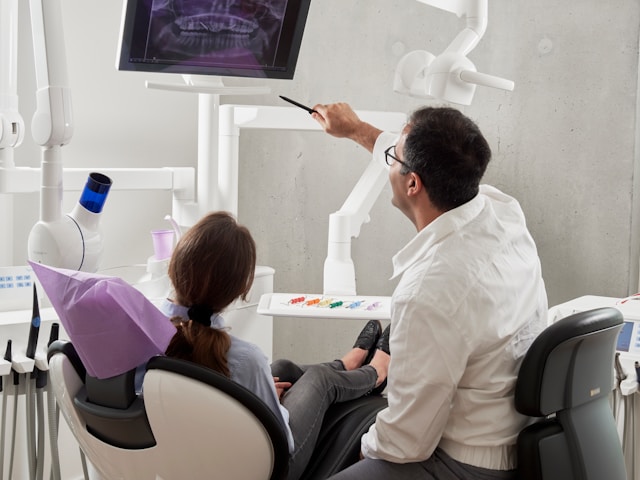
Embracing New Technology to Improve Patient Experience
One of the most significant shifts in dentistry is the adoption of digital tools that improve speed and accuracy. Clinics are now using advanced scheduling platforms, automated reminders, and digital intake forms that allow patients to complete paperwork before stepping into the office. These tools not only reduce waiting times but also limit clerical bottlenecks that traditionally slowed the patient flow.
Digital imaging and diagnostic tools have also modernized the way dental teams evaluate and explain treatment options. Patients appreciate seeing clear visuals and hearing detailed explanations based on the latest technology, rather than relying on guesswork or brief descriptions. These improvements have helped build trust and transparency, resulting in higher patient satisfaction and more informed decision-making.
As dental clinics rely more heavily on digital systems, they also gain the advantage of reducing human error. Streamlined processes allow dental teams to remain focused on patient care while administrative tasks are handled more efficiently behind the scenes. This combination has created a more cohesive, responsive experience for patients seeking prompt, reliable treatment.
Enhancing Communication and Reducing Delays
Communication plays a central role in shaping a patient’s perception of their dental care. Today, patients expect timely responses to inquiries, quick appointment confirmations, and clear explanations regarding treatment plans and procedures. To meet these expectations, many clinics are adopting structured communication methods that make it easier to stay connected with patients before, during, and after appointments.
Practices are increasingly adopting centralized messaging systems that help staff stay organized and track interactions more effectively. This ensures that no message is lost, no reminder is missed, and no patient is left waiting for updates regarding their care. As communication becomes more efficient, patients feel more supported and engaged throughout their dental journey.
In addition to these internal improvements, some clinics are integrating remote administrative support to help manage increasing communication needs. By partnering with specialized remote professionals, dental teams can maintain faster response times and reduce the backlog that often leads to delays. This approach supports patient satisfaction while giving dental staff more time to focus on the quality of in-office care.
Expanding Support Systems for a More Patient-Centered Approach
As clinics strive to deliver more patient-centered care, many are reevaluating how daily operations can be structured to support both patients and staff. Traditional models often relied heavily on front-desk teams to juggle scheduling, phone calls, paperwork, billing, and patient follow-ups simultaneously. With rising patient expectations, this approach has proven to be demanding and challenging to sustain in a fast-paced environment.
To meet these challenges, clinics are implementing updated systems that distribute tasks more evenly and strategically. This includes specialized software, automated workflows, and remote administrative support designed specifically for dental practices. These enhancements give in-office teams more breathing room to focus on patient comfort, communication, and quality care.
A growing number of practices are also turning to remote professionals who handle essential tasks such as scheduling, insurance verification, patient reminders, and data entry. This model has become increasingly popular because it provides highly skilled support without placing additional strain on in-office staff. By incorporating this type of assistance into daily operations, clinics can maintain a high standard of patient service while managing their workload more effectively.
The Role of Remote Staffing in Modern Dentistry
As dental clinics experience increased demand, many are finding that relying solely on in-office teams is no longer enough to maintain the level of care patients expect. Remote administrative support has emerged as a valuable solution for handling the growing volume of tasks that accompany managing a busy practice. These professionals bring specialized knowledge that enables them to fulfill responsibilities such as insurance coordination, appointment management, billing support, and chart organization with accuracy and consistency.
This evolution has allowed dental teams to focus more fully on patient relationships and in-person care. When administrative burdens are reduced, the dental team can create a more welcoming and attentive experience for each patient who walks through the door. Patients benefit from faster service, more transparent communication, and better overall coordination of their care.
The integration of remote support has also improved the efficiency of clinic operations. Daily tasks that previously consumed hours of staff time can now be handled promptly and professionally, helping clinics stay organized even during peak periods. As practices continue to grow and adapt, this type of support is becoming an essential part of the modern dental landscape.
Conclusion
The evolution of dental clinics is being shaped by a strong demand for faster service, more transparent communication, and a more patient-centered experience. By adopting new technologies, improving communication systems, and expanding administrative support through solutions such as a dental virtual assistant, practices are creating smoother, more efficient workflows that directly benefit their patients. As expectations continue to rise, these improvements ensure that dental teams can deliver care that is both compassionate and timely, making the overall experience more positive and accessible for everyone.
Paid Post
















0 Comments